/ get-clients
How to Get Your First Local Service Clients (Without Paying for Leads)
The first client rarely comes from a logo or an ad. It comes from one specific service, listed where someone is already looking, at a price you can actually keep.

The short answer: offer one service you could do this week, describe it the way a customer would search for it, and put that description where people already look. Don't pay for the introduction. On Gig the listing is free and the commission is 0% — the customer pays you directly, so you keep the whole job. Nobody honest can promise the booking lands today. Someone nearby has to need the thing.
Start with one service, not a menu
A first profile that says "cleaning, handyman, moving, pet care, and tutoring" reads as a person who hasn't done any of them recently. Pick the one you could do tomorrow with tools you already own. You can add the others after the first job is a rating instead of a claim.
If you don't know which one, the constraint is usefulness, not branding. Practical and local books faster than clever. Twenty-one services you can start this week is a list of that kind, with the honest version of what each one takes. Before you publish a number, read how to price the work — a price copied from a 20% commission platform is often too high for what you need to keep, or too low once you notice you were copying their gross.
It also helps to know what people in your area already pay, rather than inventing a rate in the kitchen. The SBA's guide to planning a small business (opens in a new tab) includes that homework: who already does this near you, and what the offer looks like from the customer's side. You don't need the whole guide to borrow the question.
Write the listing in the customer's words
On Gig, people don't browse a grid of categories first. They describe the job, and matches surface ranked by relevance, rating, and distance. So the listing that gets found is the one that sounds like the search.
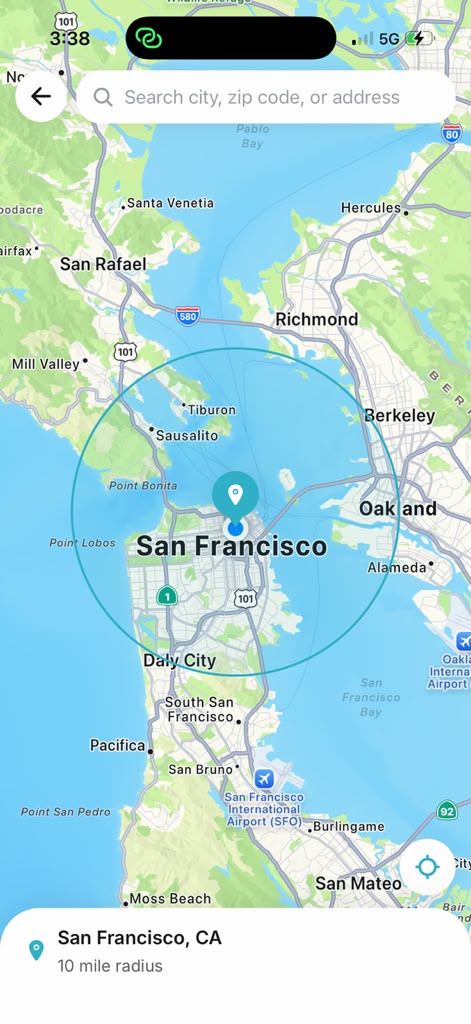
- Weak: "Cleaning services." Strong: "Move-out deep cleans for apartments, same week, I bring supplies."
- Weak: "Handyman." Strong: "Furniture assembly and picture hanging, evenings, within 8 miles."
- Weak: "Tutor." Strong: "Algebra for high-school students, weekday evenings, in person or remote."
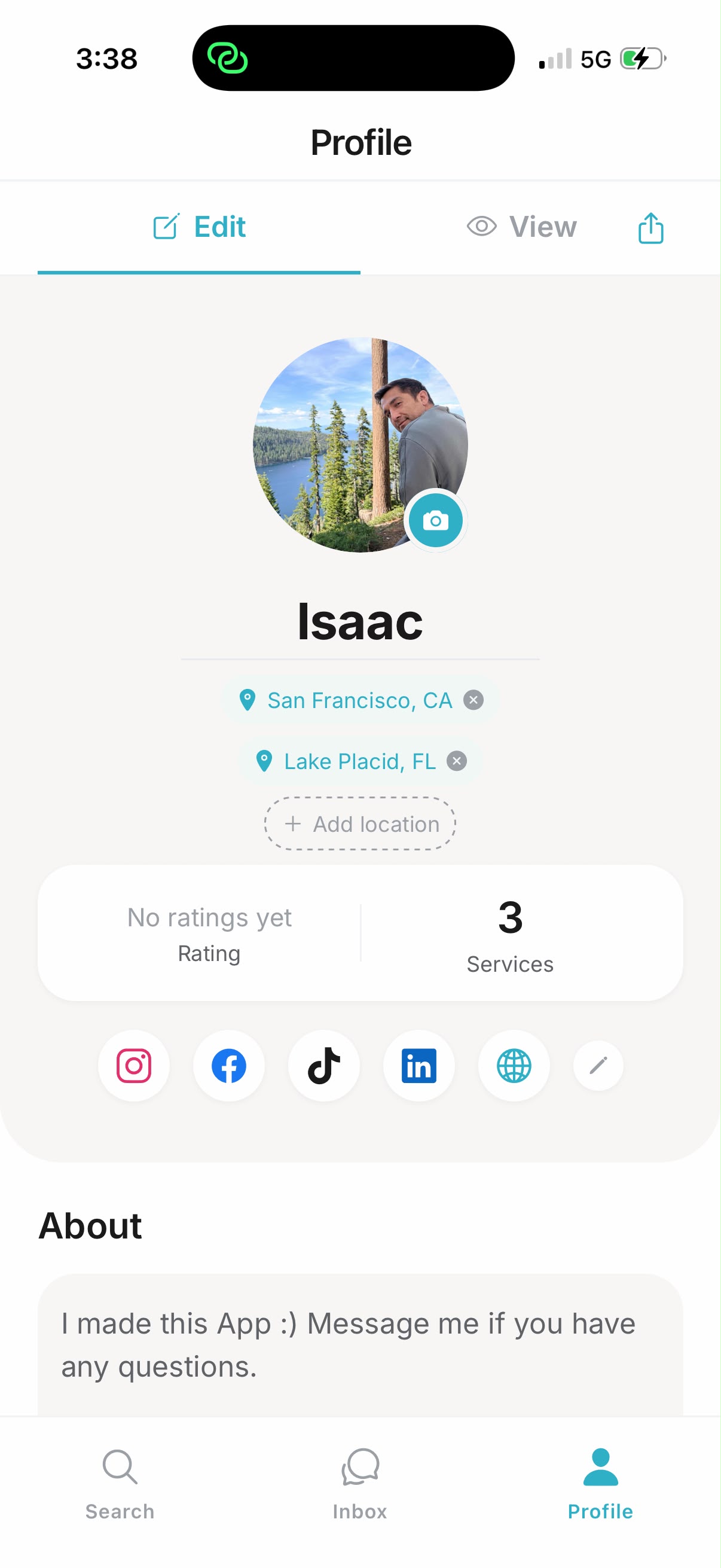
Setup itself is short — name, photo, that paragraph. About a minute, which we covered in how easy Gig is to use. If you're open to jobs you didn't think to list, turn on GigFlex and customers can hire you for work you never wrote down. Leave it off if you only want the thing you named.
Be findable in more than one place
Gig is one door. It is not the only door, and pretending otherwise would waste your week. Three places are enough to start:
- The app, for people already describing a job. Free to list. You keep 100% because Gig never takes the payment. How that can be free at all is the commission-free model, not a temporary promo.
- Google, for people searching Maps. A Google Business Profile (opens in a new tab) is free, and for a service business it's often the listing that shows up when someone types "cleaner near me" into ordinary search. Verify it. Put the same specific sentence there that you put on Gig. Don't invent a second business for it.
- People who already know you. One message to friends, neighbors, and a group you're actually in beats a week of posting into the void. Ask them to pass on a specific sentence, not "I'm starting a business."
Don't pay for a lead that might not book
The expensive way to "get clients" is a marketplace that charges you to unlock someone's phone number, whether or not they hire you. A quiet week still has a bill. We put that model next to Gig's on the comparison page: 0% and no per-lead fee, against the usual commission or the usual lead price.
The worse version isn't a fee. It's someone selling you the job itself — a coaching package, a starter kit, a "territory," a deposit before any customer exists. The FTC's guide to job scams (opens in a new tab) is blunt about the pattern: never pay to get paid. Gig will not ask you for money to unlock a booking. If a message does, it isn't us, and ReportFraud.ftc.gov (opens in a new tab) is where that goes.
A first client you didn't pay to meet is worth more than a stack of leads you did. You can afford to be specific when the listing is free.
Do the job you described, then the rating does the next one
The second client is mostly the first client's rating, read next to a count. A brand-new profile has neither, which is why the first job should be the exact thing you listed, done when you said you'd do it. Over-delivering on a different job just confuses the record.
Two boring pieces of adulthood sit next to that. You keep 100% of the payment, which also means the income is yours to report — the IRS self-employed individuals tax center (opens in a new tab) is the starting point, and it is not tax advice from an app. And if the work is at someone's home, read what Gig does and doesn't do for safety before you treat a message thread as a vetting process. Ratings, in-app messages, block and report: yes. A background check and escrow: no.
No countdown: you can be listed the same day. You might not be booked the same day, or the same month, if nobody nearby is searching for what you do. A specific free listing is how you get found when they do. It is not a slot machine.
Frequently asked
How do I get my first local service clients without ads?
Pick one service you can deliver this week, describe it in the words a customer would search, and list it where people already look — including a free profile on Gig and a Google Business Profile. Tell people you know. Don't pay a platform for leads that may never book. The first booking still depends on someone nearby needing the thing you do.
Should I pay for leads to get clients?
Usually no, especially at the start. Lead marketplaces charge you for a person's contact details whether or not they hire you, so a quiet week can cost money. A real platform does not charge you for the chance to get paid. The FTC's guide to job scams is the extreme version of the same pattern: never pay to get paid.
Does Gig charge commission on my first jobs?
No. Gig charges 0% commission and never touches the payment, on the first job and every job after it. The customer pays you directly. There is no subscription and no per-lead fee. You still owe tax on what you earn — the IRS self-employed tax center is the place to start, not a sentence in an app.
How fast will I get a client on Gig?
There is no promise of a booking today or this week. You can be listed the same day, and you show up when someone nearby describes a job you match, ranked by relevance, rating, and distance. Gig is newer than the big marketplaces, so how many people are searching varies by area. A specific listing is how you get found. It is not a guarantee that someone is looking.